
Coffee has always been the default fuel for our modern lives. It is the first thing we get up to in the morning as it helps to set the tone for our day and helps us get through long working days, deadlines meetings and deadlines. As work becomes increasingly stressful mentally and distractions grow, many people are starting to question whether their daily cup of coffee is really helping concentration or just providing short moments of stimulation. Energy pouches and coffee are currently a topic of debate. This isn’t a “good against evil” discussion, but rather a discussion about control, consistency and performance in the cognitive realm.
Coffee: Fast Energy and Familiar Limits
Coffee can do a variety of things easily. It’s swift, it’s comfortable, and it gives you a feeling of energy. Coffee is a great choice in short-term tasks or for a breakfast start. The caffeine boost is a source of an alertness and the routine itself is often a signal to your brain it’s time to move.
Each time you use the device, you will see the downside. Over time, tolerance builds quietly. The cup you used to drink when it was powerful is now required to feel normal. Along with that tolerance often is jitters, disorganized concentration, and anxiety particularly in high-pressure situations. The timing is crucial. If you drink your coffee too late, it can interfere with your sleep. This creates an unending cycle of exhaustion and caffeine.
It’s not because coffee is “bad,” rather, because they require different things.
The Rising of Energy Pouches
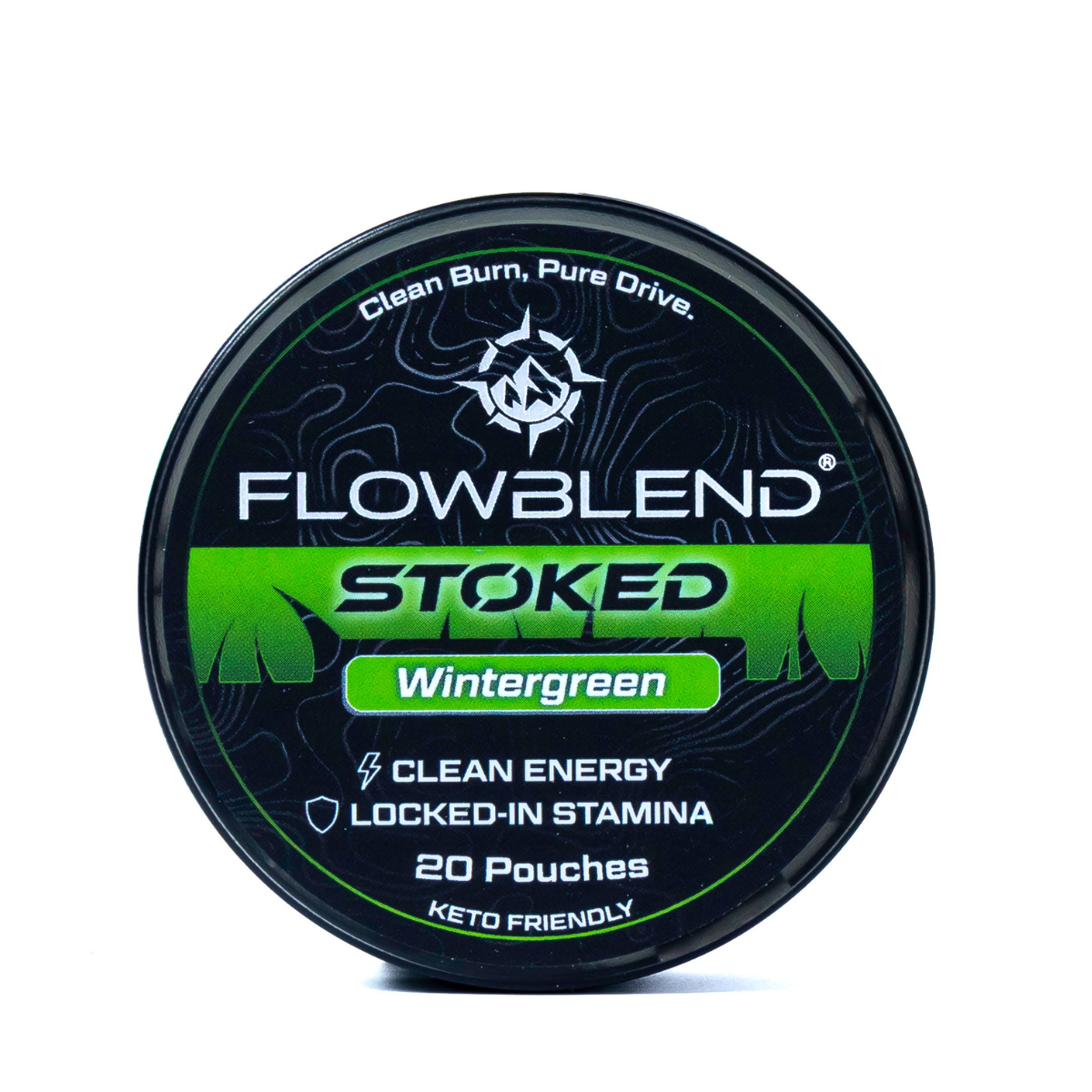
The pouches are not meant to substitute coffee. They were developed to address an additional issue: how to keep mental alertness and clarity, without overloading the nervous system. The key difference between these pouches and coffee is how they are distributed.
The caffeine content in the energy pouches is generally smaller and is released at a slower rate. Instead of a rapid spike followed by a crash, they aim to provide more smooth energy curves. This is a more effective strategy to work in long blocks travelling days, difficult tasks that require constant attention.
Anyone who is uncomfortable or exhausted by caffeine’s ups anddowns can use energy pouches to take in caffeine with no crash. The goal is not to be wired but instead to remain steady.
Focus vs. Stimulation
One of the most misunderstood features of caffeine is that more stimulation equals better productivity. Stimulation and focus are two distinct things. Coffee is a stimulant. However, focus requires stability.
The majority of users say that energy pouches aid in focusing for longer durations due to the fact that they cut down on the mental noise that is often associated with high doses of caffeine. The less jitters means fewer interruptions to focus. The need to “chase energy” throughout the day will be less by having less crashes.
In the workplace of today the distinction between work and home has become more important. As tasks demand deeper thinking and sustained problem-solving, smoother energy flow is an advantage.
Make a conscious decision
Coffee is a necessity. Coffee can be a great instrument for quick activation, social gatherings, or when you need a boost. They won’t magically make the long day go by.
Making a conscious decision is the first step to a sustainable energy source. People are currently adjusting their energy sources to suit their needs, rather than relying on habit. The energy of explosions versus the steady focus. Short bursts or long-term focus? Comfort versus control.
This is the way you should view coffee as opposed to. energy pouches. It’s not a race or a way for making decisions. Knowing how caffeine affects your body and the mind can help to use it more strategically instead of reacting.
A smarter way to go
The conversation about caffeine has changed as working hours get longer and the demands on our minds rise. Most people are beginning to realize that productivity doesn’t necessarily mean pushing harder. It’s about maintaining an equilibrium. No matter if you opt for coffee or energy pouches or a combination of both, the advantage comes from awareness.
For those prioritizing consistency, smoother focus, and fewer crashes, modern coffee alternatives for focus offer a compelling option. In the end, energy works best when it supports your goals, not controlling them.